
Talks
How it works
Each year we offer a full calendar of learning and connection:
From February to October, we run three terms featuring 10 talks. Five are grouped under a theme, whilst the remaining are a miscellany of topics. The 10 talks are followed by a short two-week recess.
In November, we finish the year with a 5-week series and a Christmas lunch in December.
Our format:
Talks every Thursday, late February–December (with just a few exceptions - see the CALENDAR page).
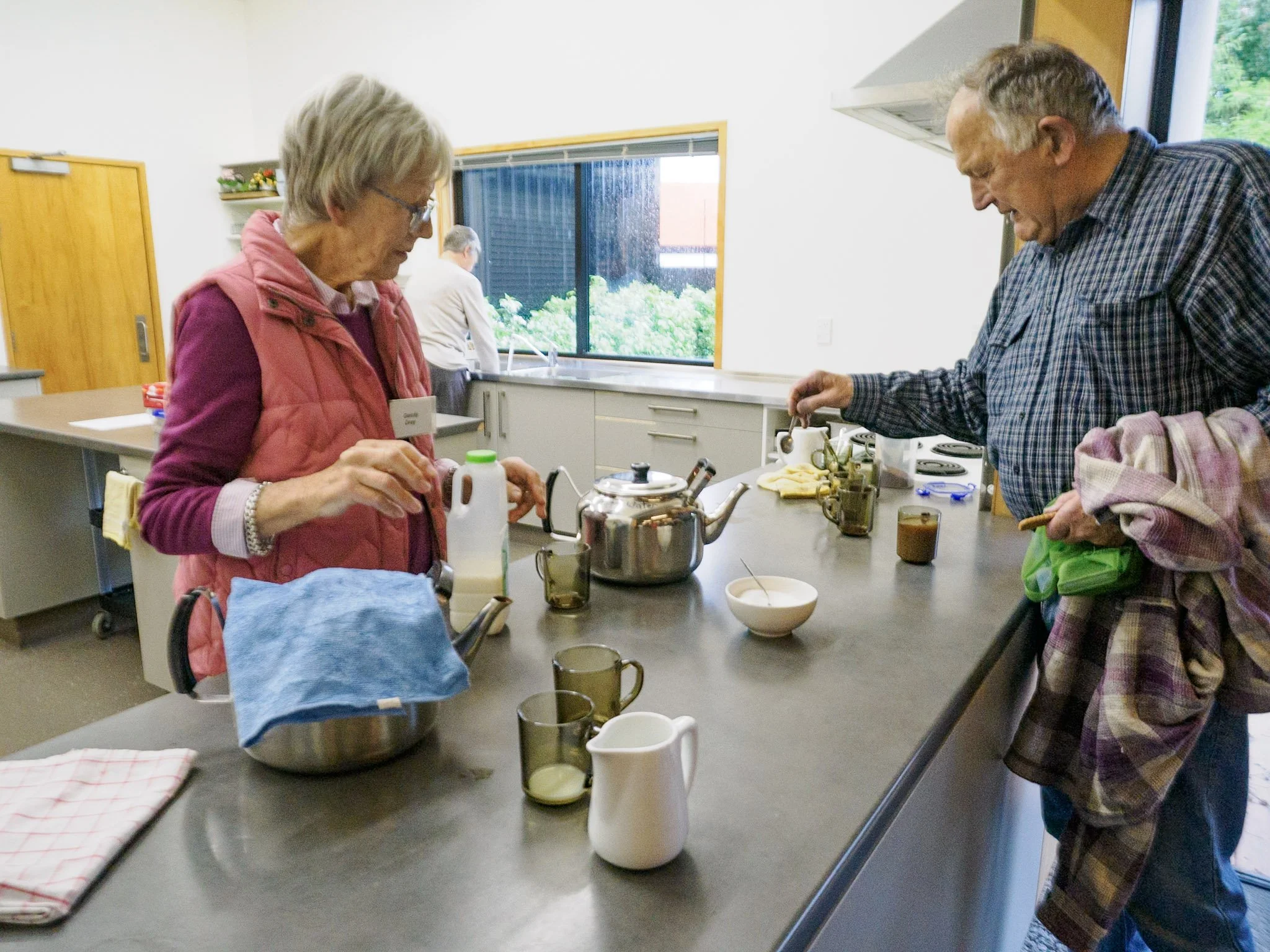
Morning tea from 9:30am
Talks starts at 10:30am
Each series = 5 weekly sessions
Cost & payment:
$20 per five-talk series - Members can enrol simply by making their payment to U3AOkeover bank account 03-1594-0108506-000 and entering their name in the Reference field and the name of the series in the Details field. No form to fill out!
Not enrolled as a member? Click here!
Listed below are details of the talks we currently have on offer.

Approaching the End of Life
Term 3, 2026 Course B

September 17: “Demystifying Death -Understanding the End of life”
Speaker: Dr Kate Reid, QSM, PhD, FCIS, FGNZ, JP, MA, RN. Senior Lecturer, University of Canterbury, School of Health Sciences.
Kate's nursing experience is grounded in oncology and palliative care, incorporating clinical practice, leadership, education, management, research, governance and mentorship positions, in local, national and international roles.
Dr Reid will share her experience of the normal signs and symptoms of the dying body and mind, dispel myths and be open to any questions you have been ‘dying to ask’, so that we may feel dispel fears and better support our friends, family and community in this normal natural part of life. Kate will talk about dying and death with an interested audience today, using the appropriate language and not hiding behind the euphemisms such as “Passing” which she has strong aversion to.
September 24: “Therole of the Funeral Director”
Speaker: Tony Garing, JP, General Manager and Funeral Director at John Rhind.
Tony is also a member of Woolston Brass, Christchurch Rotary, a Justice of the Peace, and Board Member of WindsorCare.
The presentation will encompass topics including guiding bereaved families through the end-of-life process, legal requirements and physical care of the deceased. The management of everything from transporting the body and preparing it for burial or cremation, to organising the ceremony itself.
October 1: “Cultural Approaches to Funerals”
Speaker: Tony Garing, JP
This presentation will outline traditional and alternative funerals covering such topics as Muslim, Hindu, Buddhist ceremonies and customs. It will include new thinking regarding ceremonies such as cremation first and followed by a ceremony. Tony will also discuss how funerals increasingly focus on the deceased rather than a religion or ideology.
October 8: “End of life choices”
Speaker:Stuart Brougham, VP, End of Life Choices NZ.
Stuart joined the Society in 2020 after becoming concerned that his parents’ wishes in terms of palliative care were not being followed. He participated in a number of debates on EOLC leading up to the 2020 referendum. Stewart was the Christchurch Regional Representative before taking up a position on the National Committee in 2022.
This presentation will discuss assisted dying and the legal ramifications of the 2019 End of Life Choice Act.
October 15: “Legal Aspects”
Speakers: Jeroen Vink and Chantal Morkel, Barristers and Solicitors, partners at Malley & Co Lawyers.
Jeroen was named one of NZ Lawyers’ Rising Stars for 2024, recognising New Zealand’s top young lawyers who are defining the future of the legal profession. Chantel commenced her legal career in South Africa. She specialises in business, trust, asset planning, property and retirement village development.
Discussion will cover legal aspects of 'approaching the end of life', especially matters relating to wills, powers of attorney and probate.

Troubled Waters in the Pacific
Term 3, 2026 - Course A

Picture credit: Te Herenga Waka University PressThe inspiration for this series comes from a Press Editorial (June 21, 2025) reflecting on an article by Louisa Wall. “Across the Pacific a struggle is playing out – not through war or occupation, but through something more deceptive: the political surrender of sovereignty under the guise of help”. It could be said that the Pacific is witnessing a new form of colonialism that Louisa Wall writes “is not imposed through force but advanced through coercive strategic consent.”
Speaker: Alan Blackburn has an MA (Hons) in Geography from Otago University. He was involved in Secondary education for many years and is an inveterate traveler. He is an Okeover member and has addressed us on numerous occasions.
August 13: “Introduction”
A broad canvas, covering Pacific geography, pre-history, colonization and contact, with illustrations from the past and present.
August 20: “NZ in the Pacific”
Using examples of the NZ Samoan Mandate, the 1918 influenza, NZ Police shooting of Samoan protesters and our relationships with the Cook Islanders, this lecture will discuss what are the responsibilities of a ‘Free Association’ with New Zealand for Niue/Tokelau and the Cook Islands.
August 27: “Throwing off the colonial yoke”
Was colonialism a contributing cause of the Coups?... the Pacific Forum, Tonga and Fiji Case Studies.
September 3: “French Imperialism and the Pacific as a US Lake”
Post Pearl Harbour; Atomic Testing – Mururoa and the Marshall Islands; Karnak independence struggles in New Caledonia. France is granting autonomy to New Caledonia but two visions of Nationhood are in competition.
September 10: “Big Power Rivalry in the Pacific”
Reshaping the Pacific.
Educating our Young Adults: Challenges and Opportunities
“Educating our Young Adults: Challenges and Opportunities”
Ngai Tahu and the Treaty of Waitangi
Term 1 2026, Course B
Speaker: Dr Martin Fisher, senior lecturer at the Ngai Tahu Research Centre at the University of Canterbury. He specialises in colonial/modern NZ history, the Treaty of Waitangi claims process, and indigenous sovereignty. He authored “A Long Time Coming: The story of Ngāi Tahu” & ” Treaty Settlement Negotiations with the Crown” Martin holds a PhD in History from Victoria University of Wellington and previously worked for the Office of Treaty Settlements and the Waitangi Tribunal. He has provided expert evidence regarding Ngāi Tahu water.
Speaker: Sir Mark Solomon. In 1995, Sir Mark was elected to Te Rūnanga o Ngāi Tahu as the local representative for Te Rūnanga o Kaikōura, a position which he held until February 2016. Three years later, he was elected Chairman of Te Rūnanga o Ngāi Tahu… the same year, Ngāi Tahu settled its Treaty of Waitangi claim with the Crown for $170 million. By the end of 2012, under Sir Mark’s chairmanship, the iwi’s commercial assets had appreciated to an estimated $809 million. Sir Mark was knighted in the 2013 Honours list for his services to Maori and business.
April 2: “The Treaty of Waitangi”
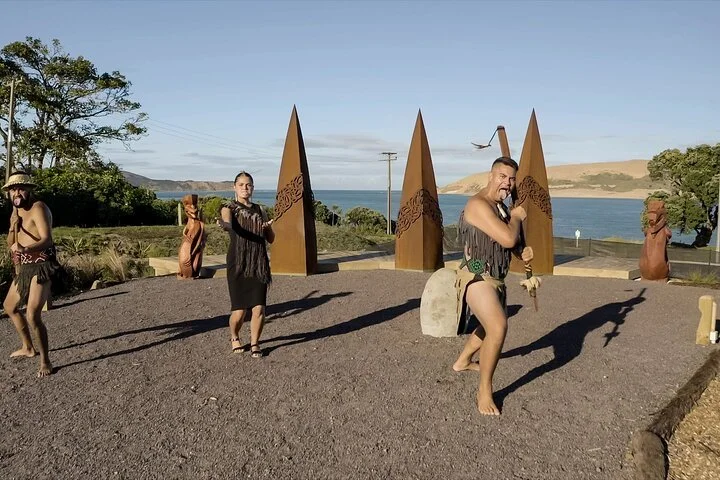
Dr Fisher will discuss the domestic and international background to the signing of Te Tiriti o Waitangi, with a focus on the Ngai Tahu signings. He will also explore the similarities and differences between the two versions.
April 9: “The Ngai Tahu Treaty Claim”
Dr Fisher will explain the basis for Te Kerēme/The Ngai Tahu Treaty Claim: the ten land purchases completed between 1844-1864 for more than half of New Zealand and the corresponding loss of access to their food gathering sites/mahinga kai.
April 16: “The Ngai Tahu Settlement and Subsequent Growth”
This talk and the next will be characterised as a ‘personal journey with Ngai Tahu’ by Sir Mark Solomon.
April 23: “Future Issues facing Ngai Tahu and our Community”
Sir Mark Solomon.
April 30: “Issues relating to the Ngai Tahu Settlement”
Dr Fisher will close this series with a rundown of the Ngai Tahu settlement negotiations including the key players, issues and what was received in terms of financial and cultural redress. This will include highlighting the very limited range of redress related to freshwater.
Miscellany Term 1
COURSE A, Term 1 2026
February 19: James Gough, will present“Highlights of 15 years as a City Councillor”
James will focus onthe challenges faced by the Council after the earthquakes and the processes involved in the rebuild and transformation.
James was a Christchurch City Councillor from 2010, representing the Fendalton Ward. He worked with three mayors and four Chief Executives until not seeking re-election He is now Executive Director at The Terrace, working alongside his uncle Anthony Gough.
February 26: Craig Ogilvie, General Manager for Showbiz Christchurch, will speak on“No Business like Showbiz-ness!”.
Craig will take usbehind the curtain of local ‘Broadway’ musicals. Showbiz Christchurch are the producers of locally based productions of Mamma Mia, Kinky Boots, Phantom of the Opera, Les Miserables, Come from Away and in April 2026, the New Zealand premiere of Charlie and the Chocolate Factory. Hear how these high-quality productions are produced and presented in Christchurch before touring around New Zealand.
Craighas been with Showbiz Christchurch (formerly the Christchurch Operatic Society) as a performer, production manager and board member for over 30 years. He has extensive management experience in Events, Education, Recruitment and Family Entertainment sectors in both New Zealand, Japan and the Middle East.
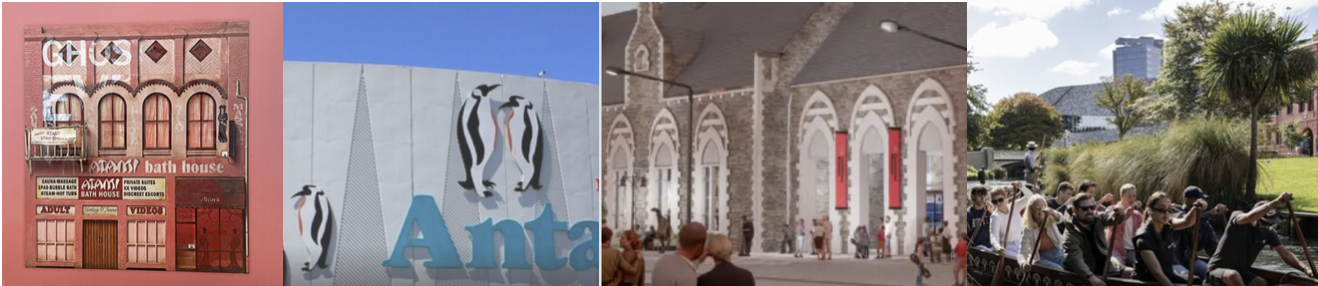
March 5: Katharine Watson, Chair of the Christchurch Archaeology Project / Museum of Archaeology, on “Cathedral Square Unearthed: stories from the heart of our city.”
Cathedral Square has a long history of human use. The 19th century saw the square change profoundly, going from little more than an idea developed by the Canterbury Association, through a collection of ramshackle buildings and finally to being the home of Christ Church Cathedral. Along the way, numerous businesses came and went. This talk will explore some of the people and businesses of Cathedral Square in the 19th century, as revealed by archaeological finds.
Katharine, an experienced archaeologist, founded Underground Overground Archaeology in Christchurch and ran it throughout the post-earthquake period. In 2017 she embarked on her PhD, drawing on the data about 19th century houses demolished post-earthquake to learn why people built the houses they did and to better understand life in 19th century Christchurch. In 2022, she founded Christchurch Archaeology Project, a not-for-profit organisation set up to save, share and research Christchurch's archaeological heritage.
March 12: Professor Peter Field, Head of the School of Humanities, Associate Professor of American History at the University of Canterbury, discussing“Will the United States survive another year?”
Professor Field has been a regular speaker at Okeover U3A. We enjoy his ability to speak without notes or visuals. He is an active lecturer, speaking off the cuff and routinely interacting with his audience.
March 19: Dame Anna Crighton, DNZM QSO JPa NZ heritage campaigner and former Christchurch City Councillor, will consider “Christchurch Heritage architecture... did we save enough after the earthquakes? Did we destroy too much?”
From 2010 to 2014 Lady Anna was chair of the Canterbury Earthquake Heritage Buildings Fund Trust. She has been a director of the Theatre Royal Charitable Foundation and has chaired the Christchurch Heritage Awards Charitable Trust since 2009. She was President of Historic Places Aotearoa, as well as being an elected member of the Canterbury District Health Board. Her award as a Dame Companion was for services to heritage preservation and governance.
March 26: Christopher Smith, Consultant Technical Institute lecturer, will provide“A brief review of lecturing in China since 2009.”
Chinese and New Zealand education differ sharply: Chinese students tend to be highly conscientious, detail-driven, and motivated by the prestige of foreign qualifications and the “hai gui” – return of talent – an important factor in the wider US-China technology and AI rivalry. New Zealand’s current concerns about declining mathematics and English standards contrast with China’s approach, where cultural preservation exists but remains separate from core academic subjects.
Socially, China’s strong family orientation sits alongside competitive, hierarchical workplaces, unlike the Western preference for individual expression, group collaboration, and flatter structures. These cultural differences shape tensions as Chinese management practices expand abroad. Understanding influence in international exchanges also requires looking at the history of NZ-China relations, their critics, and what China seeks as its economic power and global presence continues to rise.
Since 2009, Christopher has lectured at Technical Institutes in Nelson, Waikato, Hawkes Bay, and for the Welsh University group in Bangor, Gwynedd, Wales. His focus is on the delivery and management of the China Foreign Exchange programmes for Chinese Institutes.


From Local to Global Village
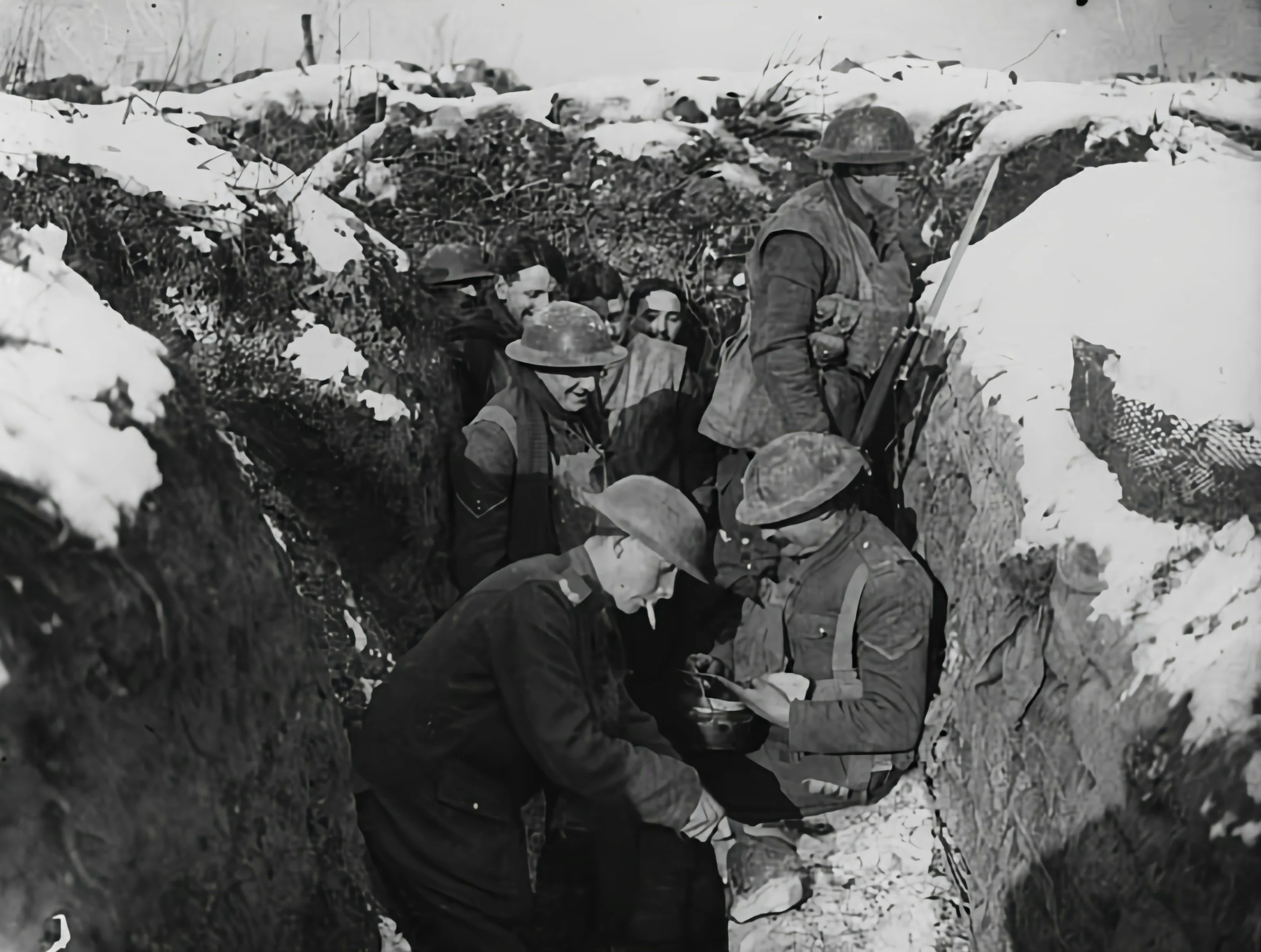
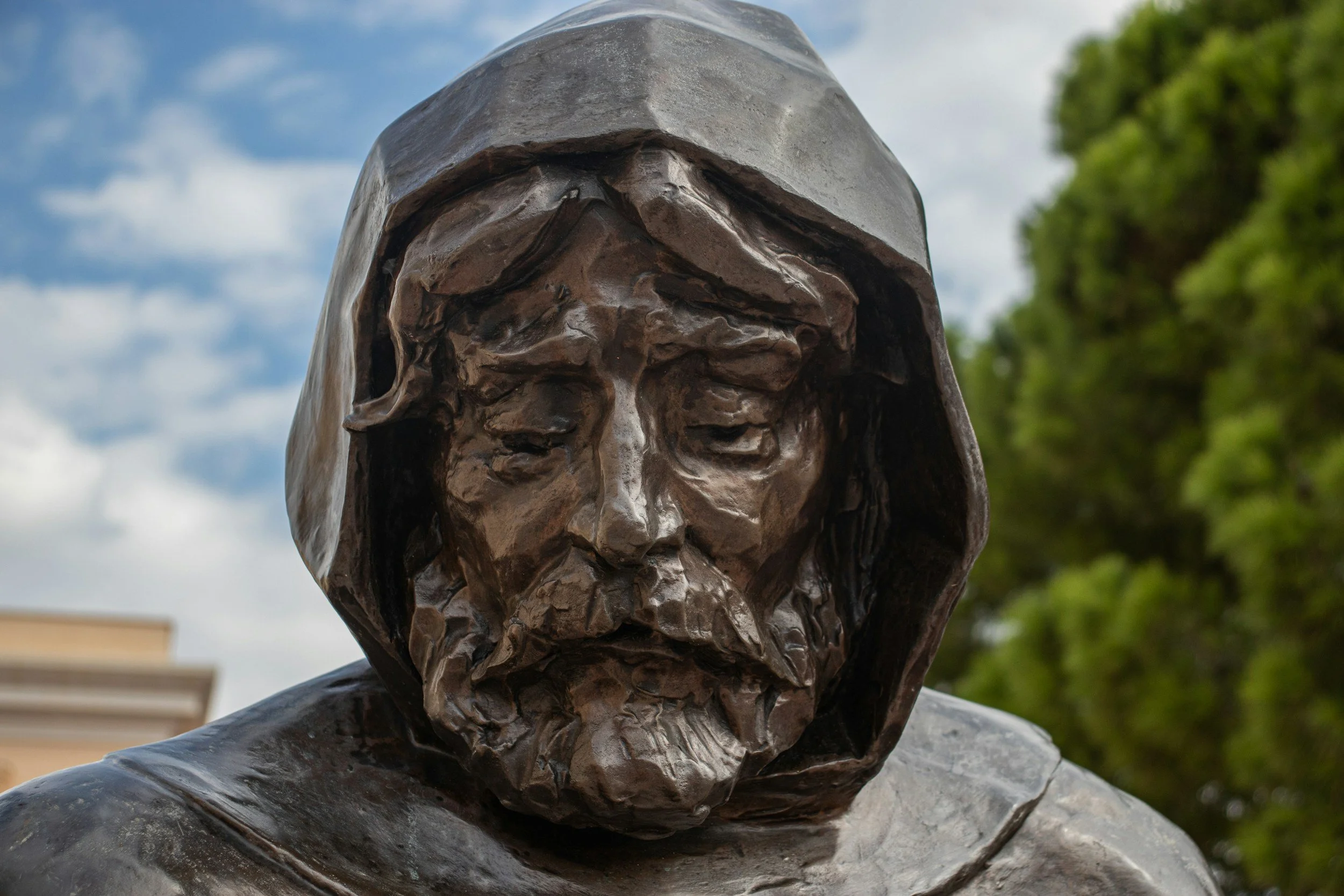
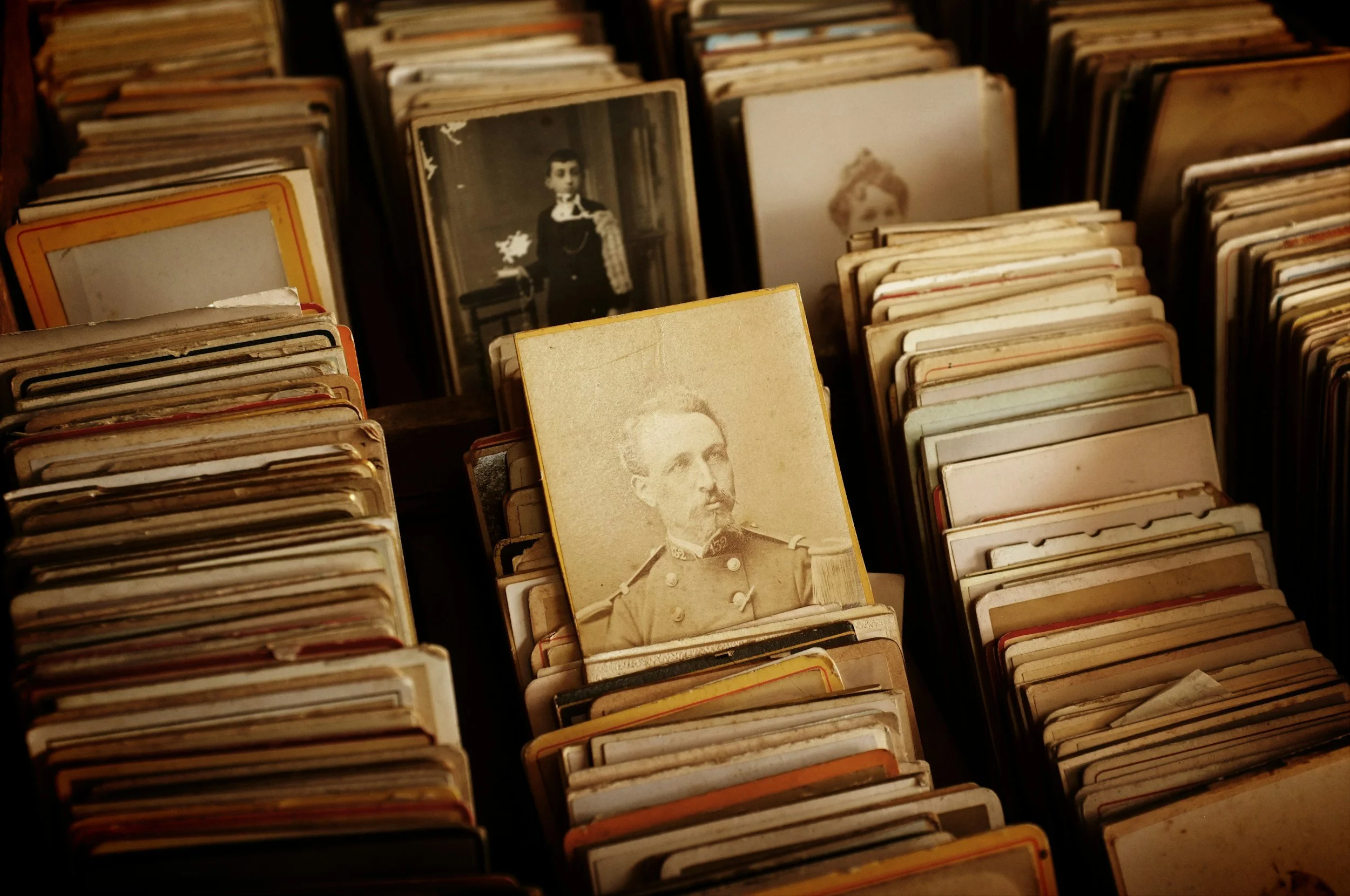
This course will focus on how Western Civilisation has changed in the last millenium. The world of our European ancestors in the year 1000 is almost unrecognisable to us today.
Earlier courses
Curious about the kinds of topics we explore? Our earlier courses cover everything from science and history to the arts and current events, all delivered by knowledgeable, engaging speakers. Browse the list here to see the breadth of learning we've shared over the years.
Click on each topic for lecture content and speaker information.